
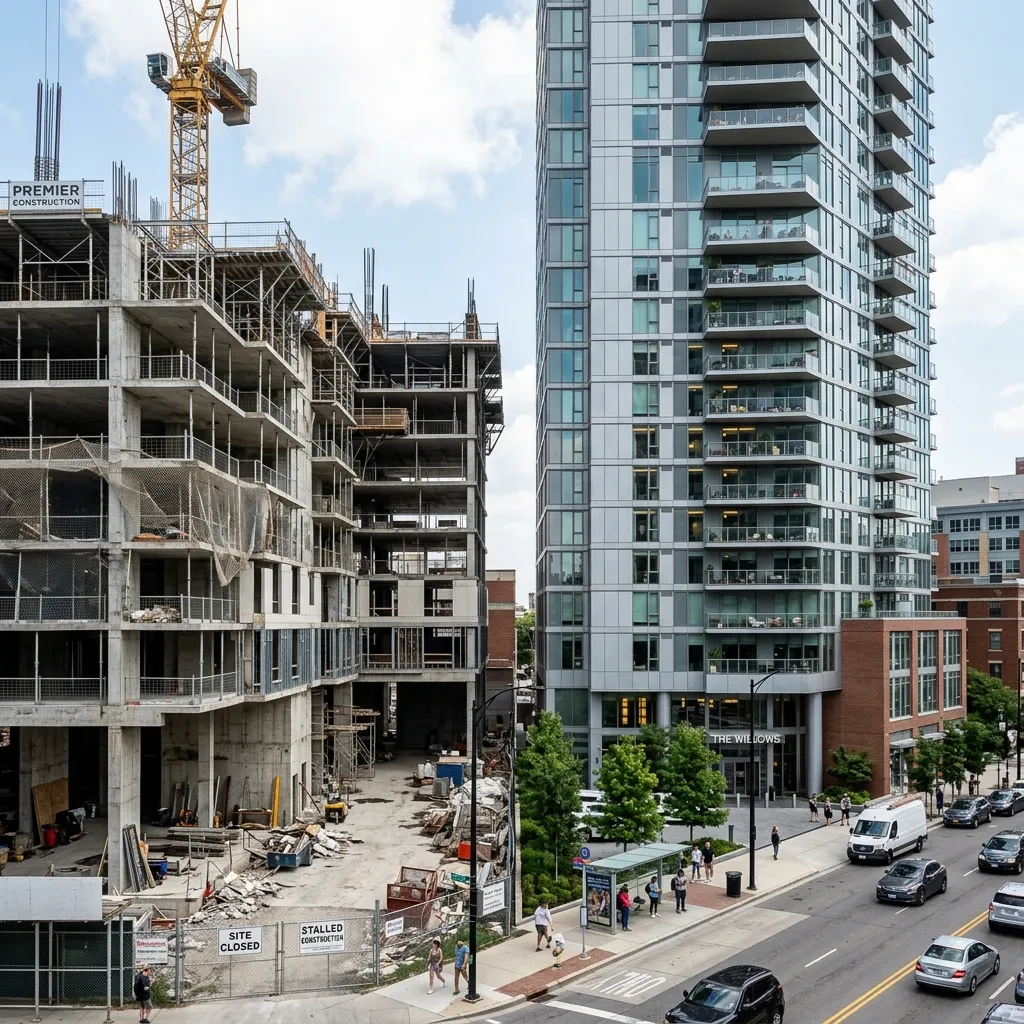
Since its inception, the Real Estate (Regulation and Development) Act (RERA) was hailed as the ultimate shield for homebuyers. Yet, entering 2026, the specter of delayed projects still casts a long shadow over major hubs like Noida, Ghaziabad, and parts of Lucknow.
The Legacy of Stalled Projects
Despite heavy crackdowns, thousands of buyers remain trapped in "legacy" projects—developments that stalled prior to RERA's full enforcement. Many find themselves caught in a financial vise, paying both monthly rent and EMIs for homes they cannot occupy.
2026 Regulatory Crackdowns
UP RERA has not been sitting idle. Recent regulatory shifts indicate a zero-tolerance policy towards developer negligence:
- Form M for Unregistered Projects: A landmark shift now allows buyers in unregistered projects to file formal complaints, closing a massive legal loophole.
- Mandatory QPRs: Developers failing to submit Quarterly Progress Reports face severe financial penalties, preventing them from hiding delays.
- Strict Carpet Area Enforcement: RERA has mandated that all sales be calculated strictly on 'Carpet Area', ending the deceptive practice of selling 'Super Built-Up' air.
Is it Enough?
While the new regulations offer robust protection for *new* investments, the resolution for legacy stalled projects remains agonizingly slow. The judicial precedents clearly state buyers are entitled to refunds with interest, but executing these recovery certificates against bankrupt developers is an ongoing struggle.
The takeaway? The market is safer than ever for new buyers, provided they do their due diligence. Always verify RERA registration, check the QPRs on the official portal, and invest with builders who have a proven track record of timely delivery.